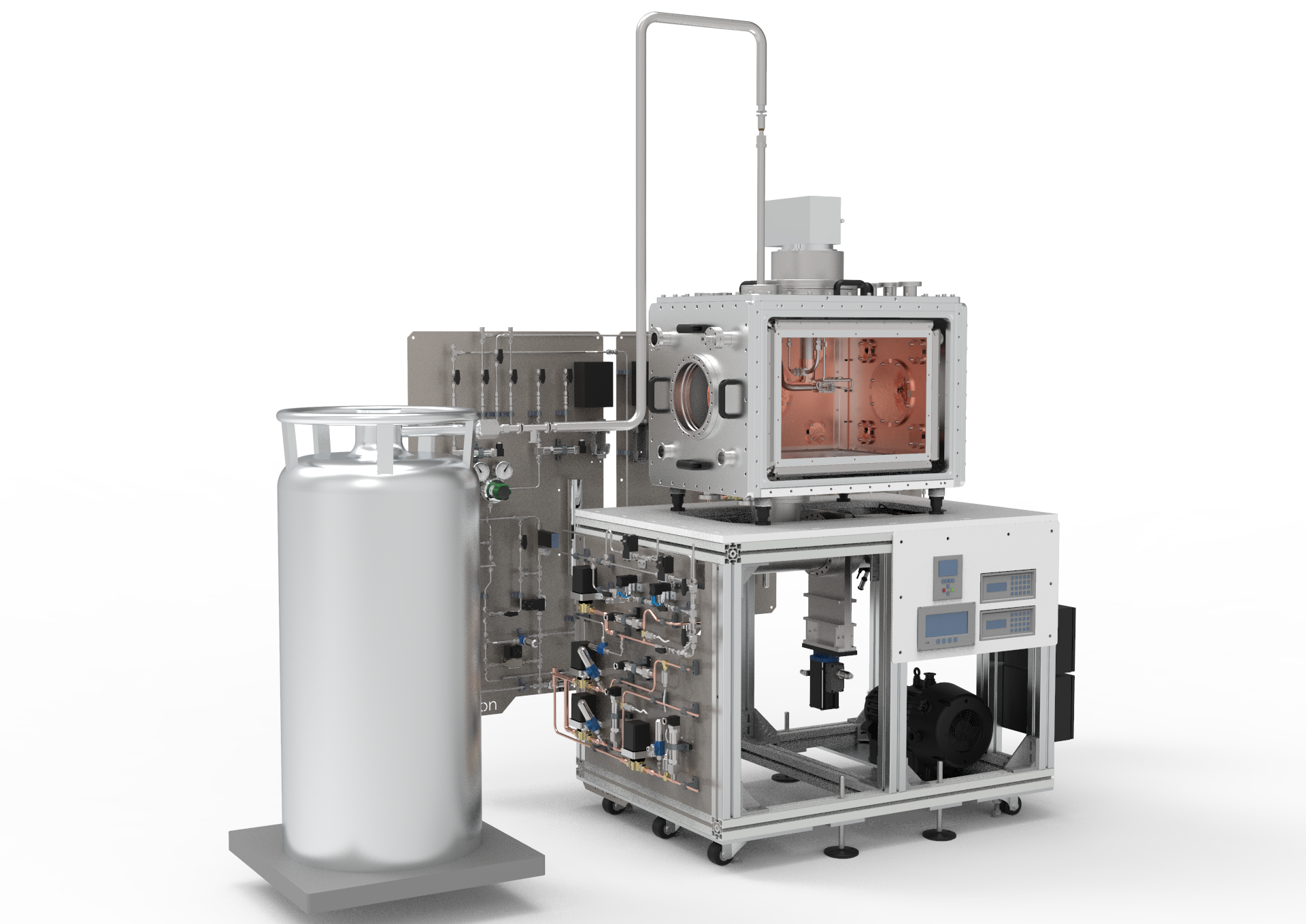
Pellet Injection Technologies
Engineering and development for reliable plasma fuelling.
Fusion Plasma Physics Department
From cryogenic pellet systems and fast actuators to advanced plasma diagnostics, we develop and test technologies for today's and tomorrow's fusion devices.
Who We Are
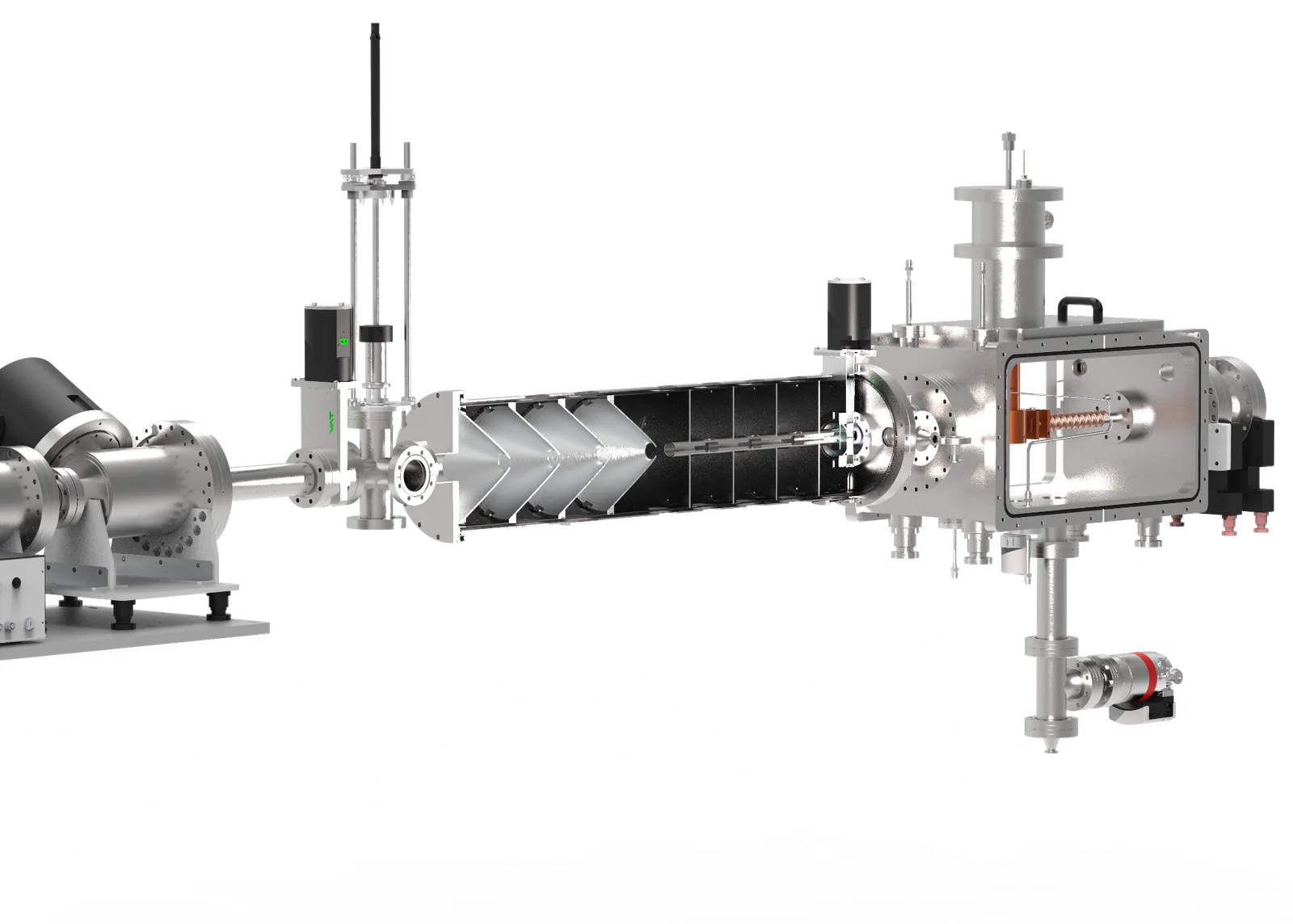
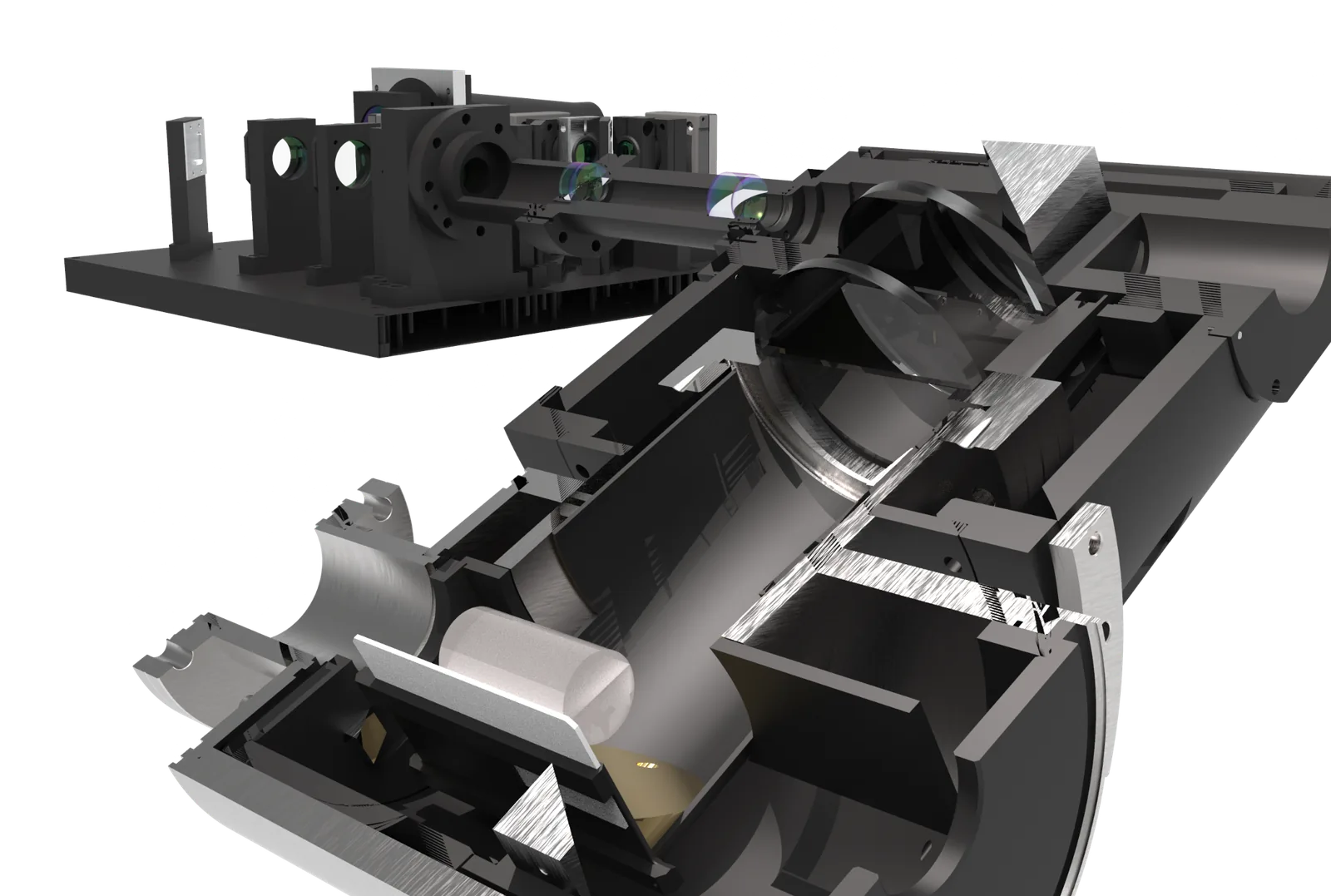
The Fusion Plasma Physics Department (FPL) of the HUN-REN Centre for Energy Research combines physics, engineering and experimental development to advance controlled fusion energy. We develop, build and operate plasma diagnostics and fusion technologies for leading international research programmes and facilities. Our work spans high-speed video and Beam Emission Spectroscopy, cryogenic pellet production and injection, disruption mitigation, modelling and engineering contributions to ITER, DEMO and IFMIF-DONES. From physical modelling and concept development to mechanical design, construction, testing and operation, our physicists and engineers deliver complete R&D solutions in close collaboration with fusion laboratories across Europe and Asia.
Our technologies and diagnostics have supported major fusion experiments including JET, MAST Upgrade, ASDEX Upgrade, Wendelstein 7-X, EAST, KSTAR and JT-60SA. Today, the laboratory also contributes to ITER through Shattered Pellet Injection technology and to the development of future fusion infrastructure through DEMO and IFMIF-DONES engineering activities.
Engineering and development for reliable plasma fuelling.
Cryogenic systems and material-focused research.
Measurement, diagnostics, control systems, and data acquisition.
Research and engineering for mitigation technologies.
Contributions to international fusion programmes.
Research & Development
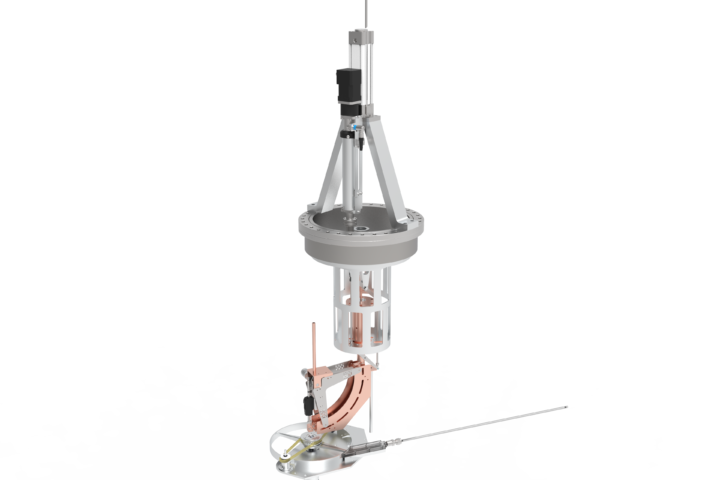
Development of cryogenic extrusion and pellet production technologies for fusion applications.
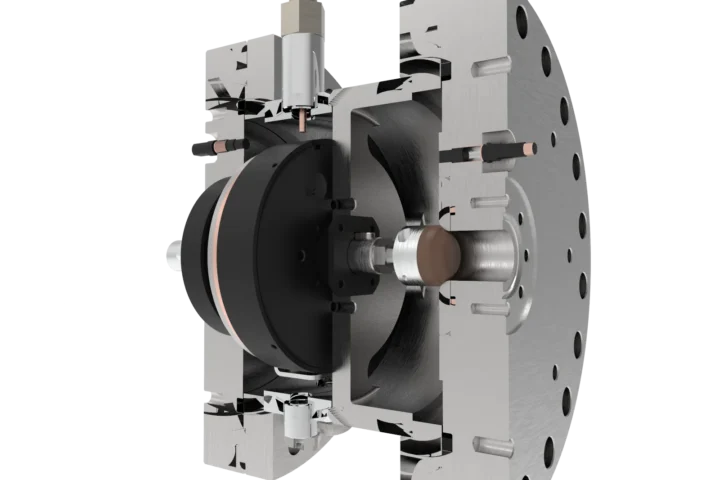
High-speed electromagnetic actuator technologies for precise and demanding fusion applications.
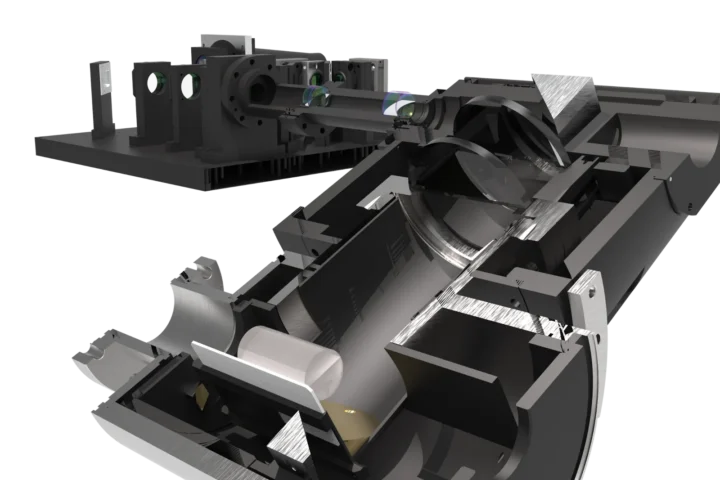
Advanced diagnostic systems and experimental facilities for component development and validation.
Our Facilities
Our laboratories support the development, construction and experimental validation of fusion technologies and plasma diagnostics. The infrastructure includes cryogenic pellet production and acceleration systems, the ITER Shattered Pellet Injector support laboratory, vacuum and optical test equipment, diagnostic beam systems, high-speed imaging technologies and dedicated experimental setups for component development. These facilities enable our physicists and engineers to take concepts from modelling and mechanical design through prototyping, testing and operational validation.